
Stephen Medina is a Licensed Mental Health Counselor (LMHC) with 7 years of experience providing care to children, adolescents, and adults who are struggling with depression, anxiety, trauma, and mood-related challenges.
Find a Therapist in Boston, MA
208 results
25 miles
Accepting new clients
More results

My approach is client –centered, empathic, holistic and non-judgmental. I use a relational framework as well as down to earth psychotherapy techniques I have been trained in various techniques and hence I have the flexibility to choose the best form of therapeutic techniques that suits the needs of the client. I frequently use CBT (Trauma Focused CBT), DBT, Interpersonal and Mindfulness Based Stress Reduction , Mindfulness Based Cognitive Therapy , Feminist theory, Motivational interviewing to assist clients to reach their goals and be the best version of themselves that they can be. I understand that faith and spirituality can be a source of support for many at times of need so I am open to discussing faith spiritual resources that can facilitate one’s journey to wellness.
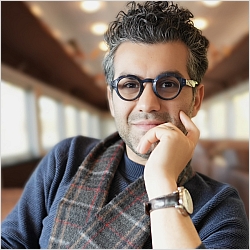
Most people who find their way to me are not in crisis. They are tired. Tired of the same argument returning. Tired of feeling unseen by the person closest to them. Tired of noticing themselves end up, again, in a version of the same dynamic, no matter who the partner is. Maybe the connection in your relationship feels thinner than it used to, even when nothing dramatic has happened. Maybe you and your partner can barely sit through dinner without one of you shutting down or getting reactive. Maybe you are the one who keeps trying, keeps initiating, keeps holding the relationship together, and you are starting to ask whether you can keep doing it alone. Maybe everything looks fine from the outside, and only you know how lonely it has begun to feel. If you are coming on your own rather than as a couple, you may be sitting with a different version of the same question. Why do I keep ending up in this kind of relationship? Why does my closest person bring out a side of me I do not recognize, or do not like? Why do I want closeness and resist it at the same time? Why is it so hard to be honest about what I actually need? You may have tried therapy before. You may have read the books, listened to the podcasts, learned the communication skills, taken the assessments, made the lists. Some of it probably helped, at least for a while. And still, something underneath has not shifted. I am Dr. Ehsan Adib Shabahang, a doctoral-level therapist and the founder of AtReef Therapy in Cambridge, MA. I provide couples therapy and individual therapy, with a focus on the patterns that repeat in close relationships and within ourselves. My background is in psychology (PhD with a Social Psychology focus) and clinical mental health counseling. I do not work with everyone, and that is intentional. The work I do is best suited to adults who want depth, who can tolerate honest reflection, and who are ready to look at themselves with as much care as they look at their partner. My approach is relationship-centered and reflective. I focus less on quick communication fixes and more on what often gets left unsaid in a relationship: the protective behaviors, the hidden expectations, the longings that have gone underground, the parts of ourselves we have learned to keep out of view. Communication skills matter, and we will use them. But communication is usually not the real problem. The real problem is what each person is protecting underneath the words. This work is informed by Self-Reflective Relationship Therapy (SRRT), a framework I am developing. SRRT holds a core idea: what remains unseen within us often becomes repeated between us. The version of you that learned, early on, to anticipate disappointment, to manage other people's moods, to keep the peace, to perform competence, to stay quiet, to keep score, or to leave first will keep showing up in your relationship until you can see it clearly. SRRT is not a cure, not a hack, and not a substitute for therapy. It is the framework I bring to the room, and it is meant to give us a shared language for the patterns that are usually too close to see. In our sessions, you can expect honesty, structure, and warmth held together. I will not tell you what to do or whether to stay. I will not perform neutrality when I see something worth naming. I will help you slow down enough to see what you and your partner (or you and yourself) have actually been carrying, and to make sense of why it has been so hard to put down. We will move between what is happening between you in the room and what each of you brought into the room before this relationship existed. The patterns usually live in both places at once. Couples often come to me when they have stopped recognizing the relationship they once had, when one or both partners are quietly considering whether to stay, when trust has been ruptured, or when they want to do the deeper work before things become more strained. Individuals often come to me when they have noticed a pattern they cannot break alone, when a relationship has ended and they want to understand their part, or when self-reflection has stopped feeling like something they can do without help. You will not be rushed. You will not be handed a worksheet and sent home. The work is slower than most therapy you have probably encountered, and that is on purpose. Real change in how we love and how we are loved tends to happen at the speed of honesty, not the speed of strategy. If you are looking for short-term symptom relief, a place to vent without much pushback, or a therapist who will tell you what to do, I am probably not the right fit. If you are looking for depth, accountability, and a slower kind of work where understanding yourself in relationship is the point, I would be glad to hear from you. I see couples and individuals in person in Cambridge, MA, and via secure telehealth throughout Massachusetts.

Thomas “Tom” Walters is a Licensed Mental Health Counselor (MHC) in Indiana and Massachusetts with over 10 years of experience partnering with adolescents, adults, and couples seeking help with depression, anxiety, substance use, posttraumatic stress (PTSD), trauma, problematic sexual behaviors, and relationship issues.

I specialize in supporting those in undoing the imprints that trauma has left on the body, mind, and soul. In our work together, we will improve the relationship you have with yourself and others, reclaim self-trust, tackle self-harming behaviors, and improve emotion regulation, thus resulting in an improvement in your overall quality of life. Robbed of feeling like you're in charge of yourself and how you envisioned living your life due to an intense fear of danger or rejection that was learned from past traumas? Are you feeling overwhelmed by sensations and emotions that are tied to past experiences and no matter what you try, you feel like you're "stuck" and can't break free? Whether the trauma was from past relationships or if it was physical, sexual, emotional, spiritual/religious, or an accumulation of everything mentioned above and then some, now is a good time to connect with my services where we can develop a plan of action that supports undoing the imprints that trauma has left on your life.
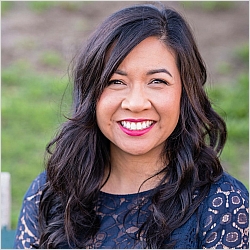
Are you struggling with anxiety, critical self-talk, bad habits, or relationship problems? Are you repeating the same negative behaviors, knowing they're not working, but not knowing how to stop? People can make changes to their lives, but it can feel so overwhelming, impossible, and hopeless to face problems alone. You don't have to be alone. I am a licensed clinical psychologist who provides individual therapy to adults. I supply a safe, caring, nonjudgmental space so that you can explore thoughts, feelings, and behaviors that lead to that feeling of being stuck or that thought of not knowing what to do next instead. You want to be able to actually go through the day calm, cool, and collected. Imagine feeling confident, in control, and in charge of your life. You want to enjoy your friends and family. You want to enjoy the work you do. I can help you get there!
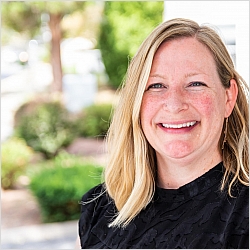
** Booking NOVEMBER 2026 ** Kelly is in the office Monday - Thursday 7am - 3pm, and does not have evening or Friday availability. She sees clients via Telehealth video sessions using the Simple Practice platform, via smart phone or computer. She also has limited slots to see clients in person for WALK AND TALK sessions in the local Providence Metro area. Kelly is licensed in both RI and MA. She works with young adults, adults, and seniors. She enjoys working with clients who consider themselves "high performers" as well as those individuals going through adjustment difficulties or transitional challenges. She works with people who are having trouble in their relationships, and folks with LGBTQIA+ concerns. She works with individuals who identify as ACOA (adult children of alcoholics), and people struggling with perfectionism and procrastination. She helps individuals with boundary-setting and direct communication. She hopes you'll consider her an ally to you. Kelly spent several years working in an oncology clinic, supporting clients and their caregivers dealing with cancer diagnoses, she also worked in other hospital settings including ER’s, psychiatric intake, as well as a PHP. She opened her private practice more recently. Kelly sees clients coping with grief and loss, and with those struggling with anxiety and self-esteem concerns. She believes that seeking therapy takes courage and that clients need connection, trust, and a safe space for their innermost thoughts and feelings. Therapy can be challenging work, but with it, comes the freedom to more fully enjoy life. She assists her clients with identifying strengths, processing emotions, and reviewing old patterns and beliefs while looking at new and different ways of examining life. Clients will work with her to develop healthier coping skills, increase self-awareness, and find the ability to express themselves more fully and learn techniques for self-love and forgiveness.
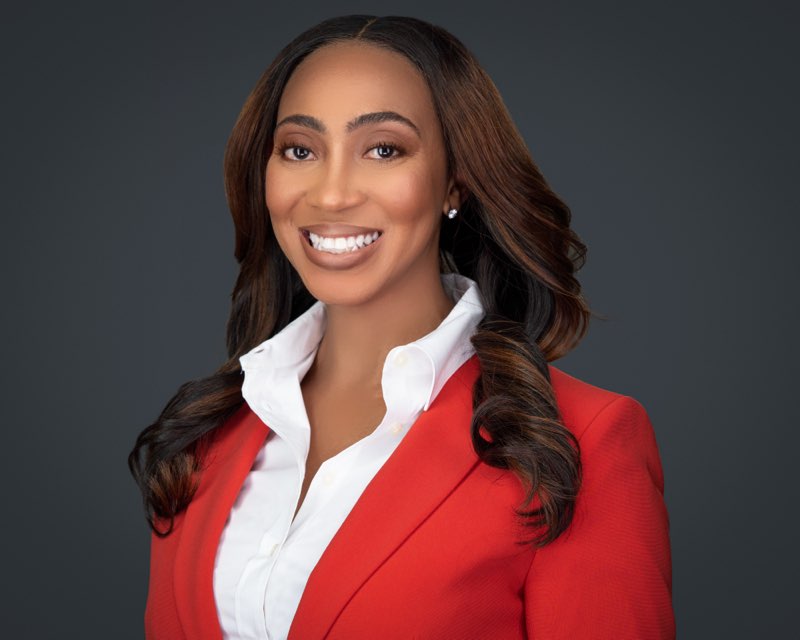
My approach is compassionate, collaborative, and tailored to each individual. As a Licensed Clinical Social Worker (LCSW) in Florida, I use evidence-based modalities such as cognitive behavioral therapy (CBT), dialectical behavior therapy (DBT), mindfulness, attachment-based, and trauma-informed approaches to help clients better understand their emotions, recognize unhealthy patterns, strengthen coping skills, and build healthier relationships. My goal is to create a supportive, nonjudgmental space where clients can heal, build confidence, and create meaningful, lasting change.
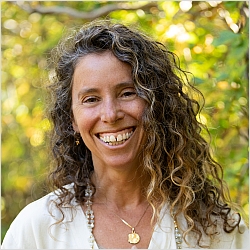
Something in you knows it's time for a change. In your relationship, your work, your sense of self. If you're struggling with anxiety, stress, or just trying to cope with everything life is throwing at you, I can help. I work with individuals and couples to break patterns and feel empowered in their lives using a blend of talk therapy, IFS, inner child work, breathwork, mindfulness practices, and yogic tools that move energy in the body and mind. My approach is warm, collaborative, and goes as deep as you're ready to go. Ready to make a change? I'd love to connect.

Krystle Kellick is a Licensed Independent Clinical Social Worker (LICSW) who has been using cognitive behavioral therapy (CBT) to help clients for the past two years. It has helped dozens of people challenge recurring thoughts and manage anxiety. CBT is used to recognize how your thoughts, feelings, and behaviors influence each other. She then uses that knowledge to help you change unhelpful thinking patterns, so you can feel less anxious and stressed. She is passionate about helping adolescents, adults, and couples address their unique challenges and live more fulfilled lives. Krystle specializes in anxiety, trauma, and LGBTQ+ issues.

Finding the right therapist can be incredibly frustrating. We know how tiring and costly it can be to repeat your story to multiple therapists, only to find they aren't the right match. That's why our Therapy Services Specialist and Clinician Manager carefully vet every therapist applying to PSYCH?. We prioritize ensuring a great match between clients and clinicians. After all, no matter how much of an "expert" a therapist may be, it won't matter if there's no genuine connection with the client!
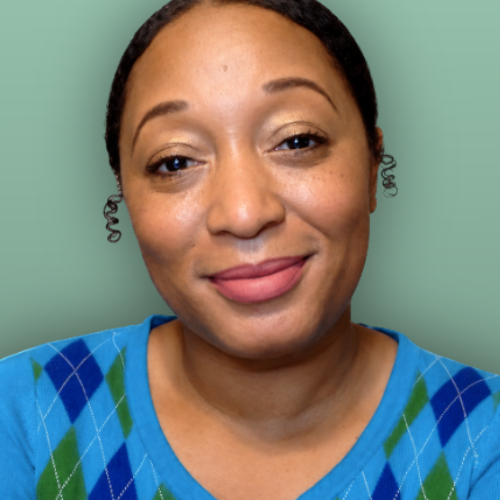
Azizi Carle, better known as “Zee,” is a Licensed Independent Clinical Social Worker (LICSW) serving clients in Massachusetts, with over 20 years of experience helping adults, children, couples, and families create meaningful, lasting change. She specializes in anxiety, depression, trauma, grief, relationship challenges, women’s issues, life transitions, and emotional overwhelm.
The therapists listed are members of GoodTherapy and pay us a membership fee which helps support our services. By using this site you signify your assent and agreement to our terms of service.
Not finding the right therapist? Search for therapists in Charlestown, Cambridge, or Somerville to expand your search.
Find a Therapist in Boston with GoodTherapy
It’s normal to experience mental health issues and relationship problems. Talking to a licensed therapist can help. Therapy can teach you more about yourself and your mental health concerns in a healing way. Many therapies are evidence-based and have been proven effective.
Since 2007, GoodTherapy has helped people like you connect with ethical, compassionate counselors and therapists. The therapists listed above, who practice therapy in Boston, are trained to protect client confidentiality and privacy. In keeping with our high membership standards, these mental health professionals are also committed to eliminating the stigma that keeps many people from seeking help.
If you are looking for a specific type of therapist, you can search for marriage or couples counseling in Boston or find a child psychologist or family therapist in Boston. You can also connect with Boston therapists who specialize in treating anxiety or depression. In addition, some therapists provide group therapy, which is typically a therapist-led session with multiple people.
Beliefs about how much therapy costs may deter some people from finding a therapist. It’s a good idea to contact therapists you’re interested in and ask about insurance, sliding-scale fees, payment plans, and other options to stay within your budget.
Rest assured there are qualified therapists in Boston who can treat a variety of concerns, including family conflict, relationship issues, anxiety, or depression. With our directory, the right therapist is easy to find.
List Your Practice on GoodTherapy
Are you a therapist or mental health professional looking for new ways to get referrals and market your practice in Boston? Keeping up to date with professional requirements and increasing your online presence are just two of the many benefits of joining GoodTherapy. Start connecting with clients and earning online continuing education credits today!
About Boston
Boston is the seat of Suffolk County and the capital of Massachusetts. One-fourth of the total city area is water, and the land area is 48 square miles. Boston is home to 673,000 people. The city experienced a 9% increase in population from 2010 to 2016.
Roughly 28% of the people who live in Boston are foreign-born. The ethnic composition of the city is 45% white, 20% Hispanic, 23% black, and 9% Asian. Thirty-seven percent of residents speak a foreign language at home. Boston has around 101,100 Spanish speakers, 25,300 Chinese speakers, and 24,800 French Creole speakers.
Forty-six percent of Boston residents aged 25 or older have earned a bachelor’s degree or higher. The mean yearly wage is $37,300, and the median household income is $58,500. Over 21% of people in Boston live below the poverty line.
Mental Health in Boston
Low mood is an issue among people in Boston. Twenty-seven percent of Boston public high school students were affected by persistent sadness in 2015. The percentage was higher for female students, those who identified as LGBTQ+, and foreign-born teens who had lived in the U.S. for fewer than seven years.
Meanwhile, 12% of Boston adults reported persistent sadness during 2015. Adults who were out of work were more likely to report low mood than their employed peers. The suicide rate was 3.1 deaths per 100,000 for females and 9.1 deaths per 100,000 for males.
References:
- Boston, Massachusetts, United States. (2018, February 7). Encyclopedia Britannica. Retrieved from https://www.britannica.com/place/Boston
- Boston, MA. (n.d.). Data USA. Retrieved from https://datausa.io/profile/geo/boston-ma
- Health of Boston 2016-2017. (2017). Boston Public Health Commission. Retrieved from https://www.boston.gov/sites/default/files/health_of_boston_2016-2017.pdf
- QuickFacts: Boston city, Massachusetts. (n.d.). United States Census Bureau. Retrieved from https://www.census.gov/quickfacts/fact/table/bostoncitymassachusetts/PST045216